Skip to content
Practical tools for everyday farming

Guides. Insights. Real farming.

Farming guides

24 practical guides written for farmers across Africa, from smallholder plots to commercial operations. Each one explains the method and the numbers; confirm the details for your farm with your local extension officer, agronomist or vet.

Crops

Planting, feeding and protecting the crops Africa grows: maize, sorghum, cassava, legumes, wheat and more.

View all Crops guides
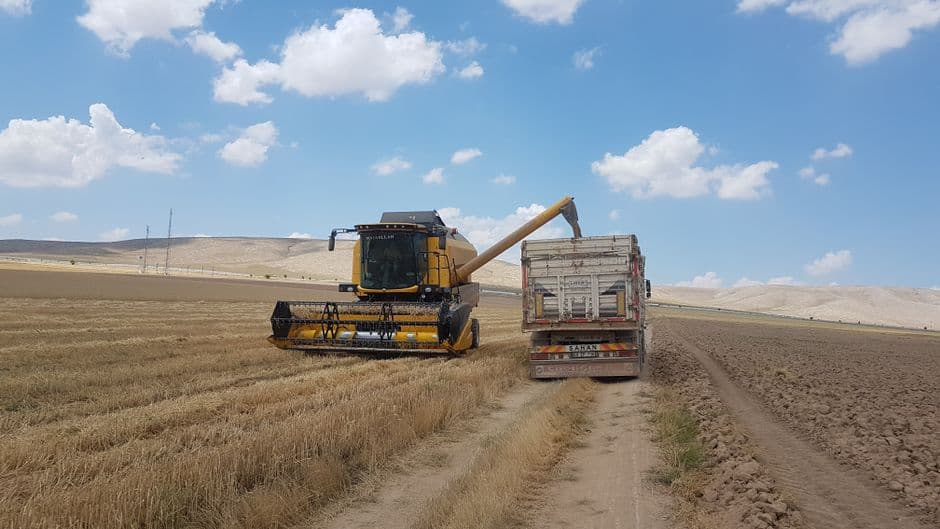
  • A combine harvester unloading grain into a truck beside a wheat field being harvested.

    Guide Crops

    Replacing the nutrients your harvest removed

    Every load of grain, seed or hay that leaves the farm carries nitrogen, phosphorus and potassium with it. Here is how to work out what your crop took off the land, why it matters and how to use the figure alongside a soil test.
    5 min readUpdated

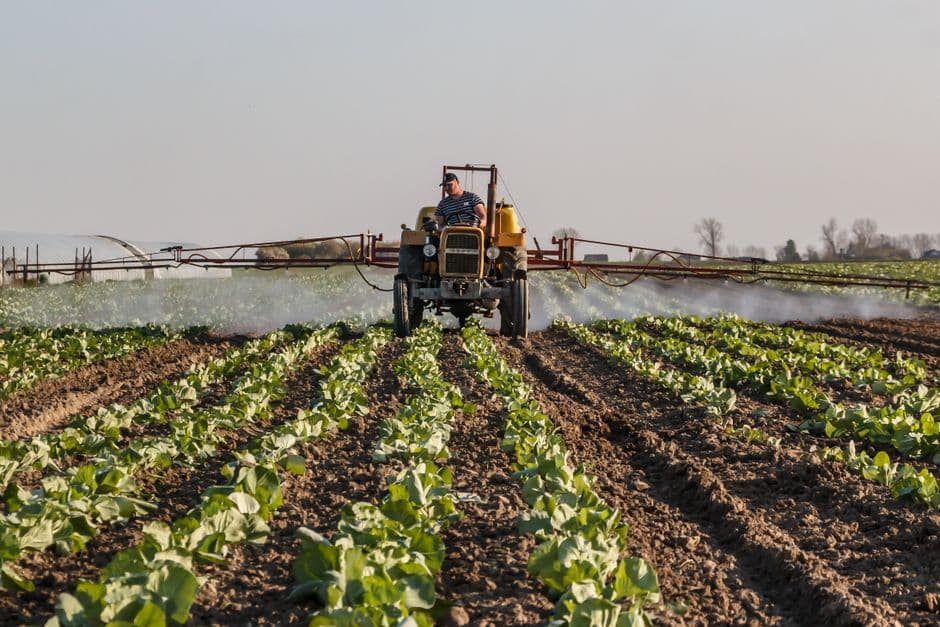
  • A tractor with a boom sprayer spraying rows of young cabbages.

    Guide Crops

    Keeping a spray record your buyer will accept

    A complete, dated spray record lets you prove what went on every field and that the waiting period was kept before harvest. Here is what to write down, when to write it, and how to keep it ready for an audit.

    5 min readUpdated

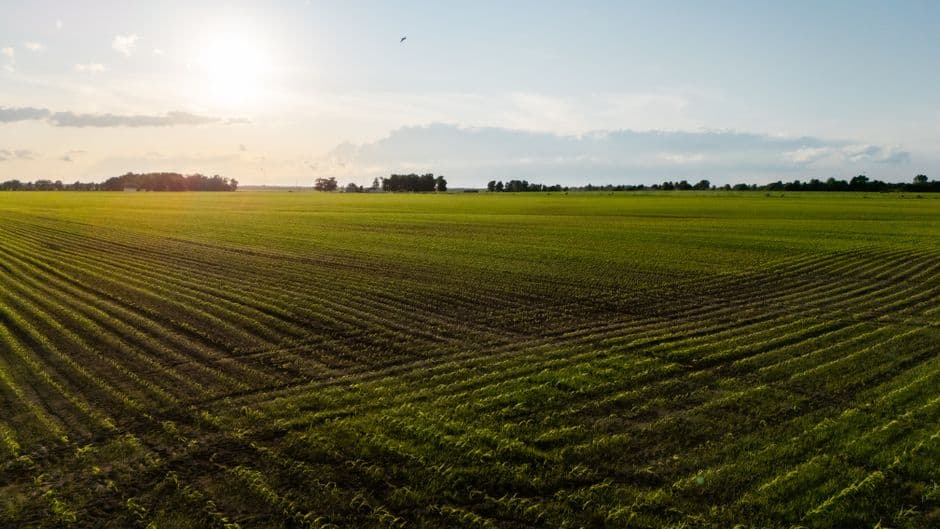
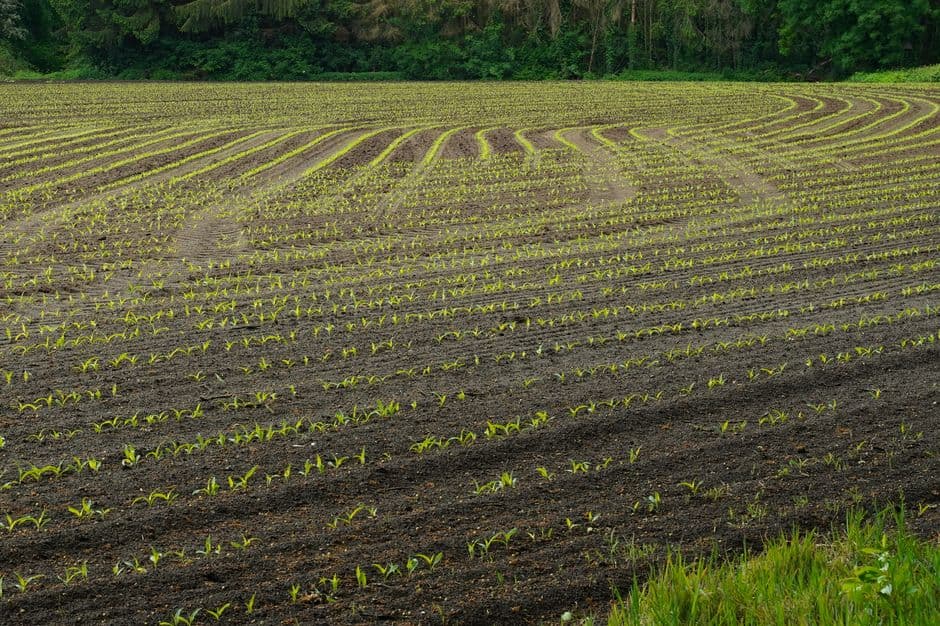
  • Young maize seedlings emerging in evenly spaced rows across a planted field.

    Guide Crops

    Plant population: how many seeds to plant for your rainfall

    The right number of plants per hectare depends on how much water your field can supply. Here is how to choose a target stand for maize and other crops, and turn it into seeds per metre and kilograms of seed.

    5 min readUpdated

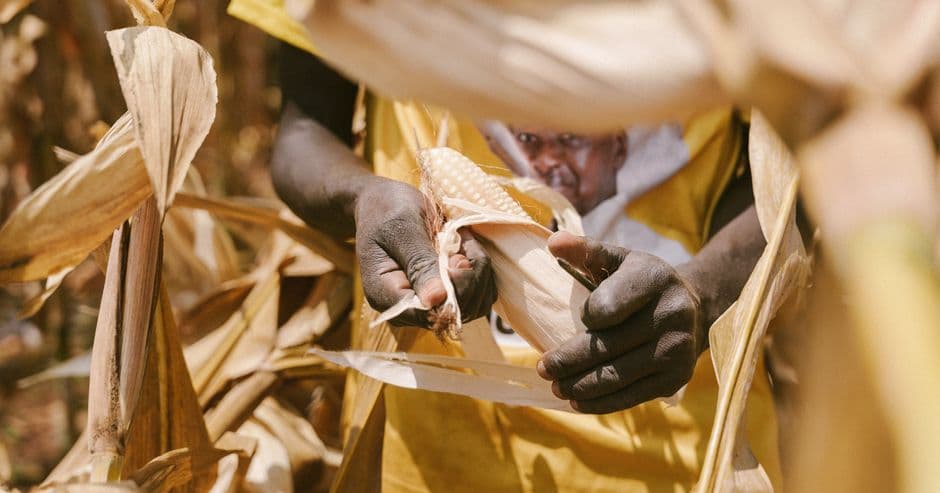
  • A farmer's hands peel back the husk to check the kernels on a maize cob, Uganda.

    Guide Crops

    How to estimate your maize yield before harvest

    Counting cobs, rows and kernels in a few measured strips gives a useful yield estimate weeks before the combine or the harvest team arrives. Here is the method, the sums and its limits.

    5 min readUpdated

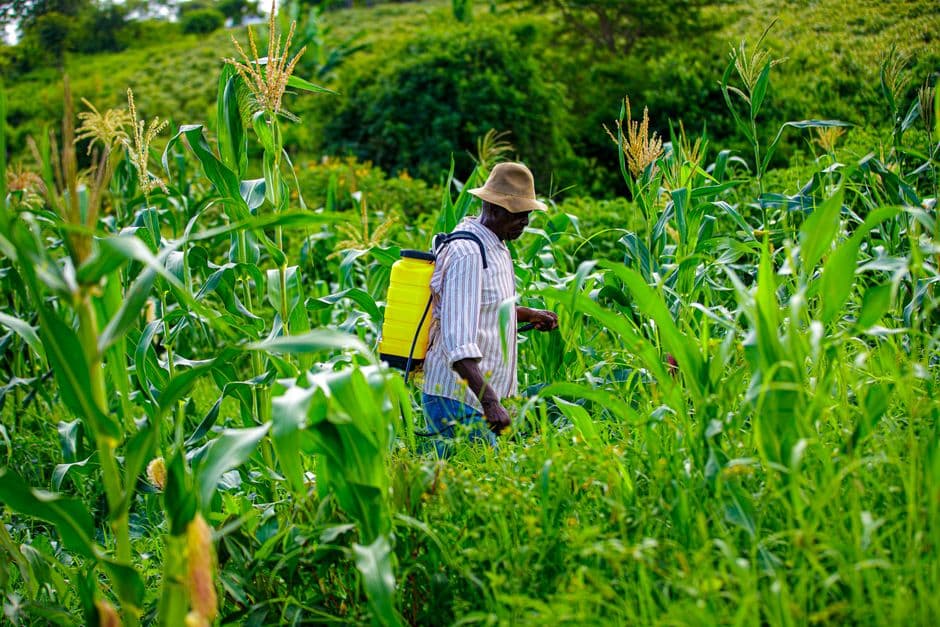
  • A farmer carrying a knapsack sprayer walks through a tasselling maize field.

    Guide Crops

    Calibrating a knapsack or boom sprayer, step by step

    A sprayer that puts out more or less water than you think puts out the wrong dose of every product. Here is how to measure your real spray volume per hectare and work out how much product goes into each tank.

    5 min readUpdated

Livestock

Cattle, small stock and poultry: grazing, health, breeding and feeding.

View all Livestock guides
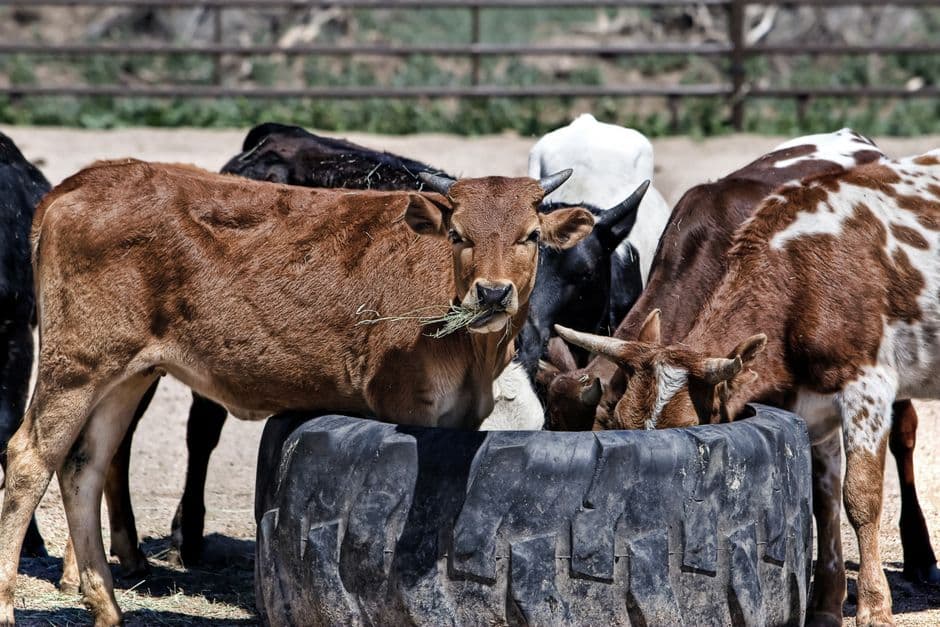
  • Young cattle eating hay from a feeder made from an old tractor tyre in a dusty pen.

    Guide Livestock

    Income over feed cost: does your ration still pay?

    Feed is usually the biggest cost in a dairy or feedlot. Income over feed cost shows, per animal per day, what is left of the milk or meat price once the ration is paid for. Here is how to work it out, read it and act on it.

    5 min readUpdated

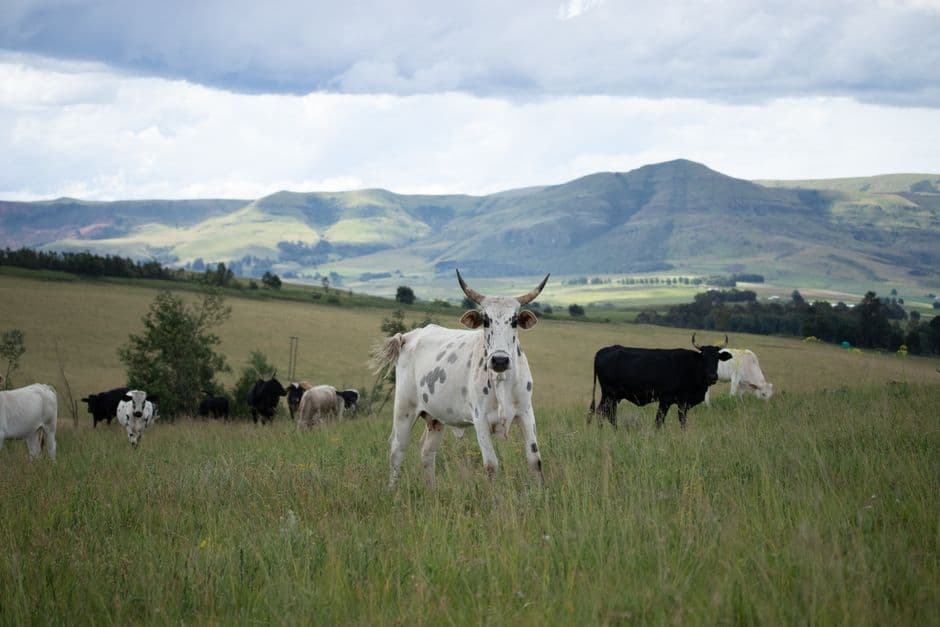
  • Nguni and other cattle grazing tall grassland below rolling hills, KwaZulu-Natal, South Africa.

    Guide Livestock

    Veld stocking rates: using large stock units to match animals to grazing

    Overstocking is the fastest way to damage veld and lose animals in a drought. This guide explains large stock units, grazing capacity, how to work out how many animals your land can carry and how to adjust through the season.

    5 min readUpdated

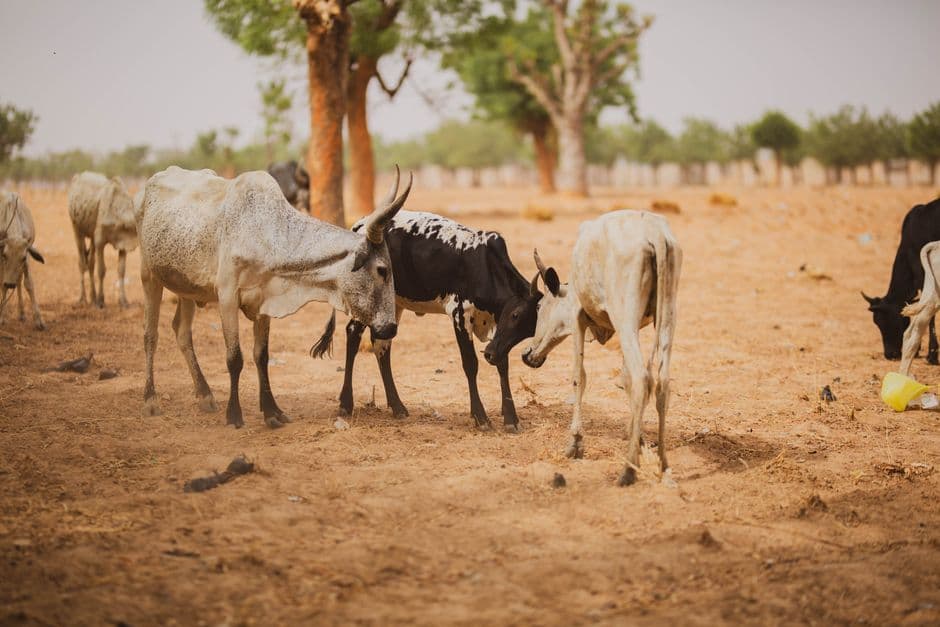
  • Thin cattle picking at bare, dusty ground under sparse trees in the dry season.

    Guide Livestock

    Feeding cattle through a drought: decisions to make early

    Drought feeding is expensive and the decisions that matter most come before the grass runs out. Here is how to prioritise animals, work out roughage and supplement needs, and avoid the common and costly mistakes.

    5 min readUpdated

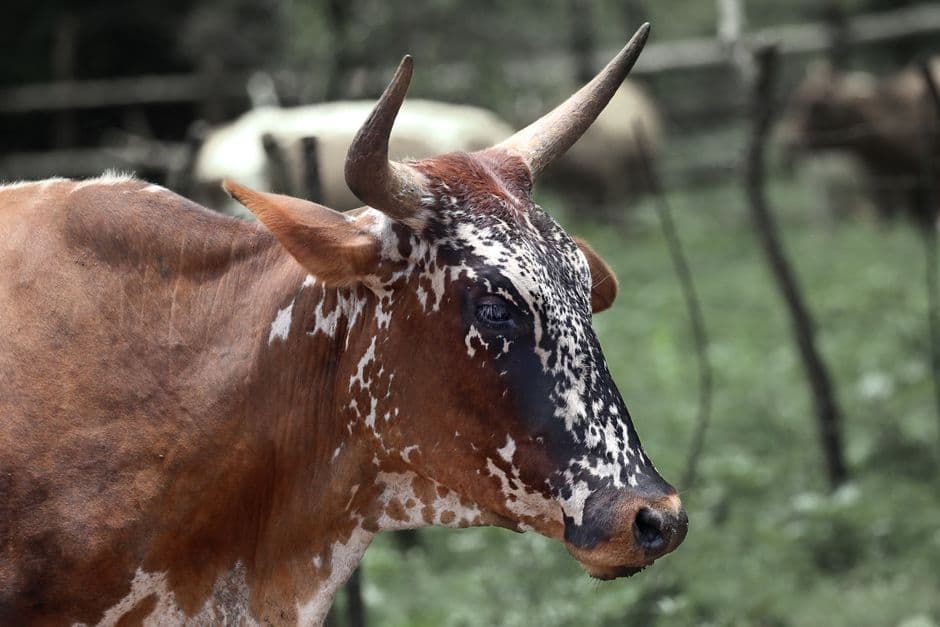
  • Close-up of the head, ear and neck of a speckled Nguni cow, where ticks often attach.

    Guide Livestock

    Tick control and tick-borne diseases in cattle

    Ticks cost cattle farmers through blood loss, damaged hides and deadly diseases such as redwater, gallsickness, heartwater and East Coast fever. This guide covers the main ticks, how the diseases work and how to build a control plan that keeps working.

    5 min readUpdated

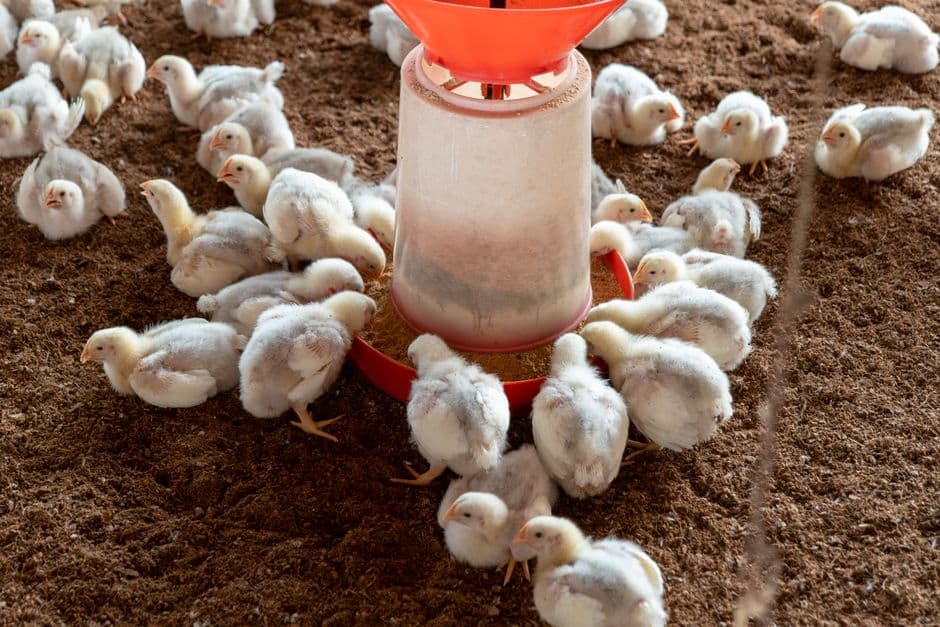
  • Young broiler chickens gathered around a feeder on a litter floor.

    Guide Livestock

    Heat stress in chickens: signs, prevention and what to do on a hot day

    Chickens cannot sweat, and a single very hot afternoon can kill birds and cut egg production for weeks. Here is how to recognise heat stress and keep broilers, layers and village chickens cool with housing, water and management.

    5 min readUpdated

Soil & Water

Soil health, sampling, conservation agriculture and making every drop of water count.

View all Soil & Water guides
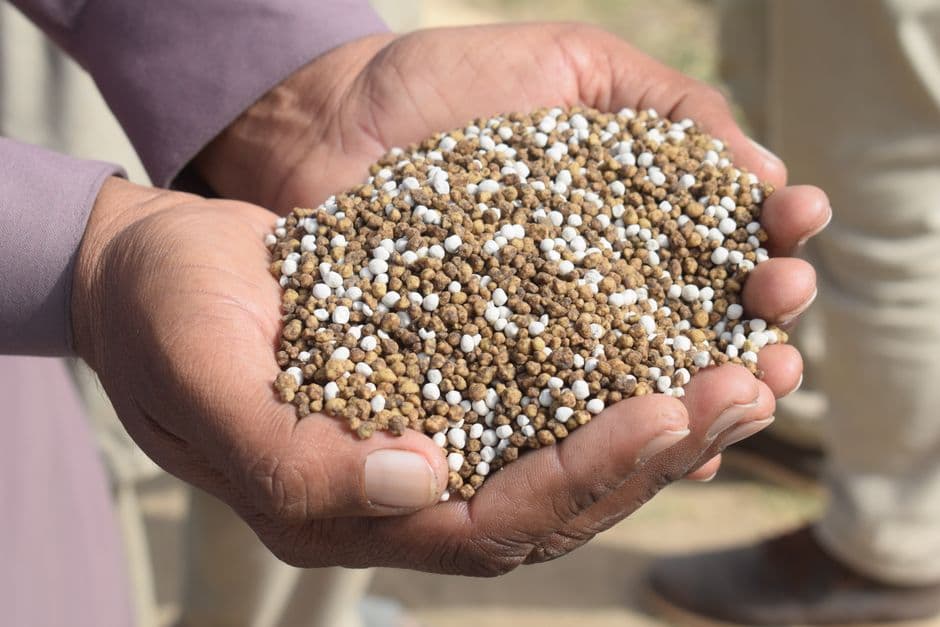
  • Cupped hands holding a mix of brown and white granular fertiliser.

    Guide Soil & Water

    From soil test to fertiliser rate: working out what to apply

    A soil test tells you what the soil can supply; your yield target tells you what the crop needs. This guide shows how to turn a nutrient requirement into kilograms of fertiliser product, and how to compare prices fairly.

    5 min readUpdated

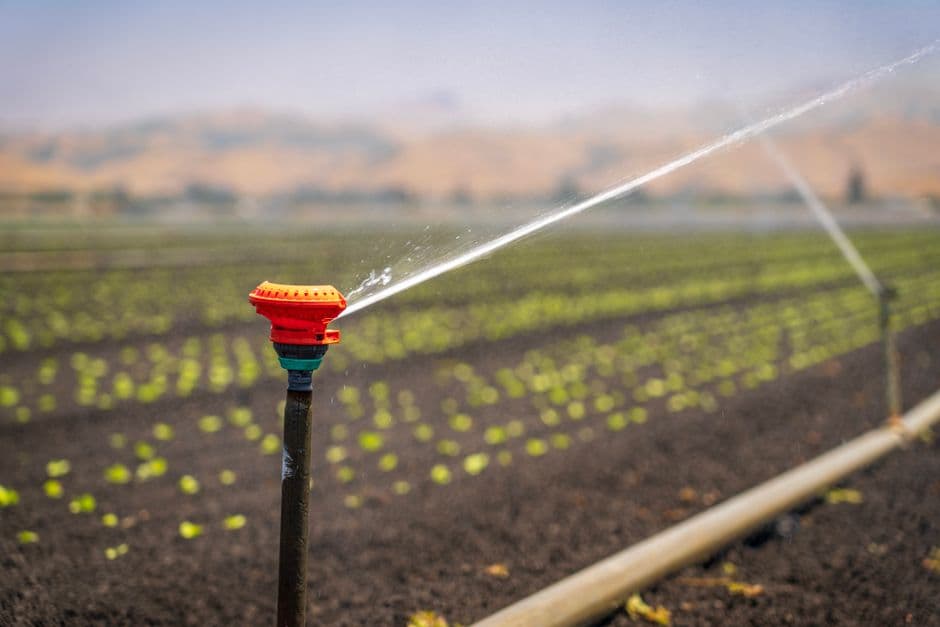
  • A sprinkler spraying water over rows of young vegetable seedlings.

    Guide Soil & Water

    Scheduling irrigation with evapotranspiration and crop factors

    How much water does your crop actually use this week, and how long should the system run to replace it? This guide explains reference evapotranspiration, crop factors, system efficiency and run times with worked numbers.

    5 min readUpdated

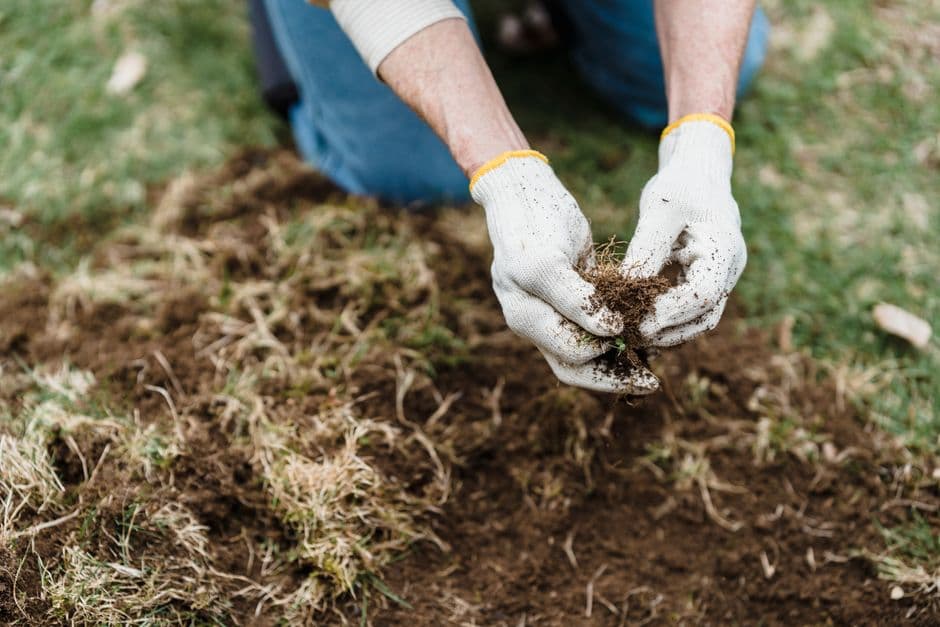
  • Gloved hands holding a small sample of soil lifted from a freshly dug patch of ground.

    Guide Soil & Water

    How to take a soil sample that tells you the truth

    A laboratory can only analyse the soil you send it. Here is how to divide your land, how many cores to take, how deep to go and how to handle the sample so the results reflect the whole field.

    5 min readUpdated

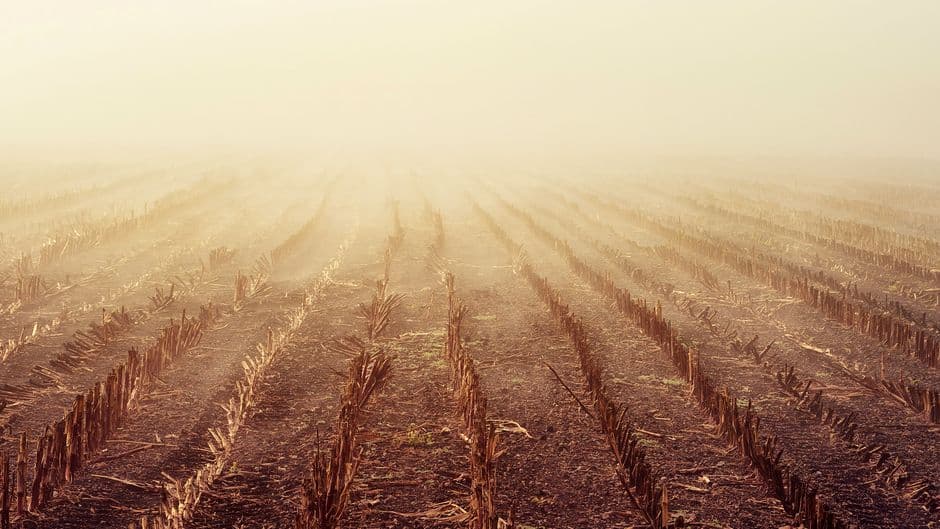
  • Rows of cut maize stubble left standing on a harvested field in morning mist.

    Guide Soil & Water

    Conservation agriculture: the three principles and how to start

    Minimum soil disturbance, permanent soil cover and crop rotation can protect soil, save water and cut costs. Here is what each principle means on an African farm, the common stumbling blocks and a practical way to begin.

    5 min readUpdated

Farm Business

Records, costs, markets and planning that keep a farm profitable.

View all Farm Business guides
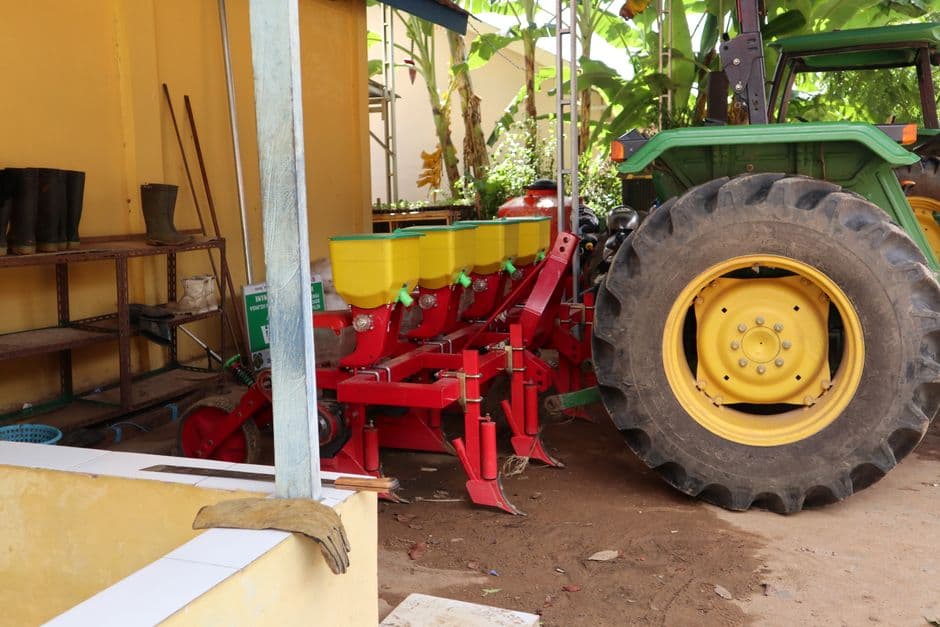
  • A red four-row planter hitched to a green tractor under a farm shed roof.

    Guide Farm Business

    Break-even before you plant: the price and yield your crop needs

    Before the seed goes in, work out the price and the yield that just cover your costs, and how far each can fall before you lose money. Then use those numbers to plan inputs and judge every offer at marketing time.

    5 min readUpdated

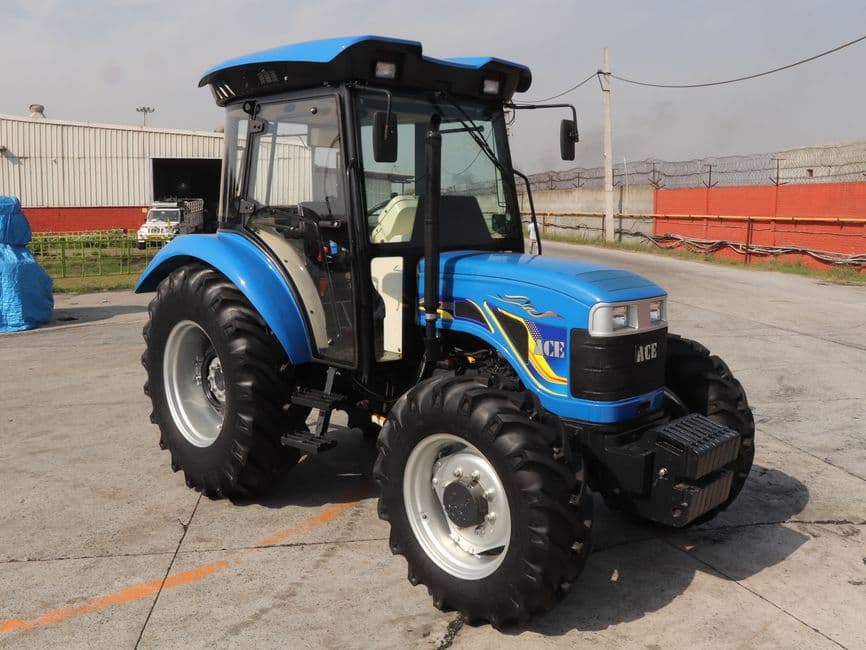
  • A new blue four-wheel-drive tractor with a cab, parked on a concrete yard.

    Guide Farm Business

    Financing farm equipment: what a loan really costs

    The instalment is only one number on a finance quote. Here is how deposit, term, repayment timing, balloons and fees change what a tractor or implement really costs, and how to tell whether the machine will pay for its finance.

    5 min readUpdated

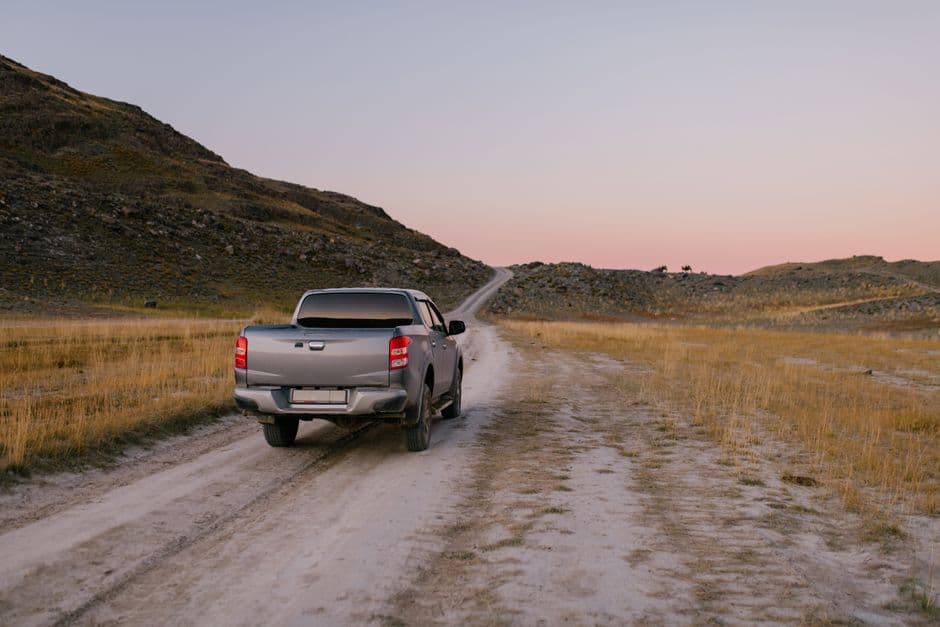
  • A pickup truck on a gravel track through dry grassland at dusk.

    Guide Farm Business

    Knowing what each kilometre costs your farm vehicles

    The fuel slip is only part of what a bakkie or truck costs. Here is how to add tyres, maintenance, licences, insurance, depreciation and interest into one cost per kilometre, and how to use that number to price transport, compare options and cut waste.

    5 min readUpdated

  • Hands holding a calculator and writing figures on a sheet of paper.

    Guide Farm Business

    The farm financial statements a lender asks for

    A balance sheet, an income statement and a cash flow budget tell a lender what the farm owns, whether it makes money and whether it can repay. Here is what each one shows, how to put it together and what a credit manager reads first.

    5 min readUpdated

  • A row of blue diesel and petrol pumps at a filling station.

    Guide Farm Business

    Keeping a diesel logbook for every vehicle and machine

    Diesel is one of the biggest cash costs on a mechanised farm and one of the easiest to lose track of. A simple logbook for the tank and every machine shows where it goes, catches theft and waste early, and keeps the raw records a fuel refund claim starts from.

    5 min readUpdated

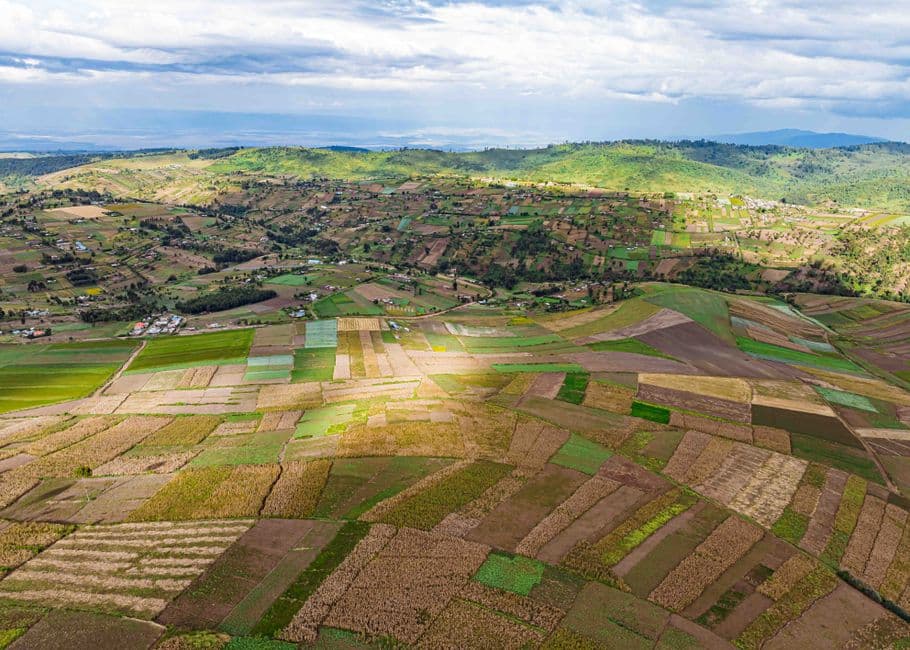
  • Aerial view of a patchwork of small crop fields and homesteads, Mau Narok, Kenya.

    Guide Farm Business

    Working out your cost of production per hectare and per ton

    If you do not know what it costs you to grow a ton of grain, you cannot know whether a price is good. This guide walks through variable and fixed costs, gross margin, and break-even price and yield with a worked example.

    5 min readUpdated

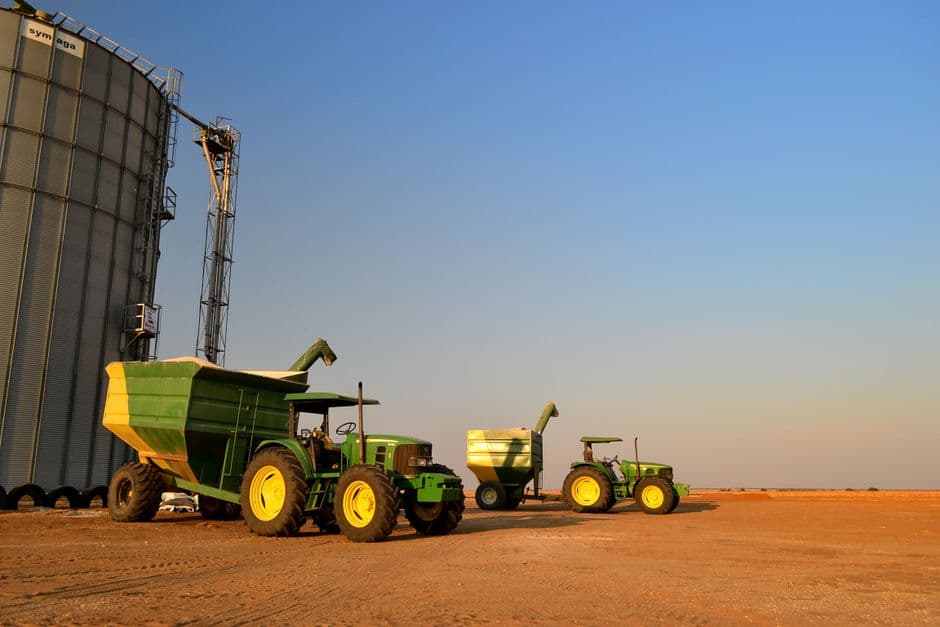
  • Tractors with grain carts parked beside a steel grain silo on a South African farm.

    Guide Farm Business

    Selling grain into formal markets: grading, contracts and getting paid

    Silos, millers, processors and commodity exchanges pay on quality and on paper. Here is how grain grading works, what buyers check, how contracts and price deductions work, and how to prepare so you get the price you expect.

    5 min readUpdated

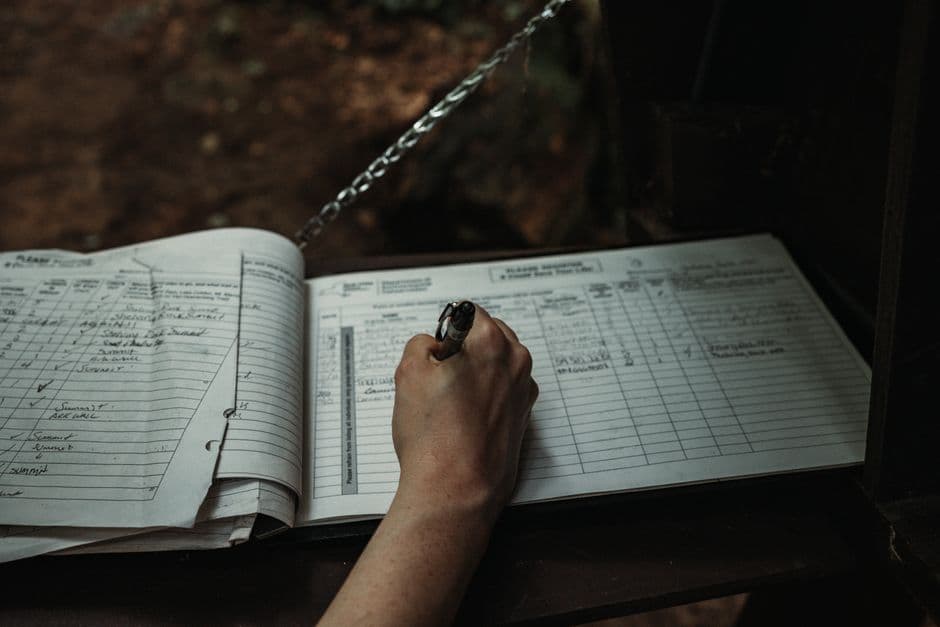
  • A hand writing entries into the ruled columns of a logbook.

    Guide Farm Business

    Keeping farm records that actually help you decide

    Good records show which fields, crops and animals make money, support loan and insurance applications and satisfy buyers who ask for traceability. Here is what to record, how to keep it simple and how to use it.

    4 min readUpdated